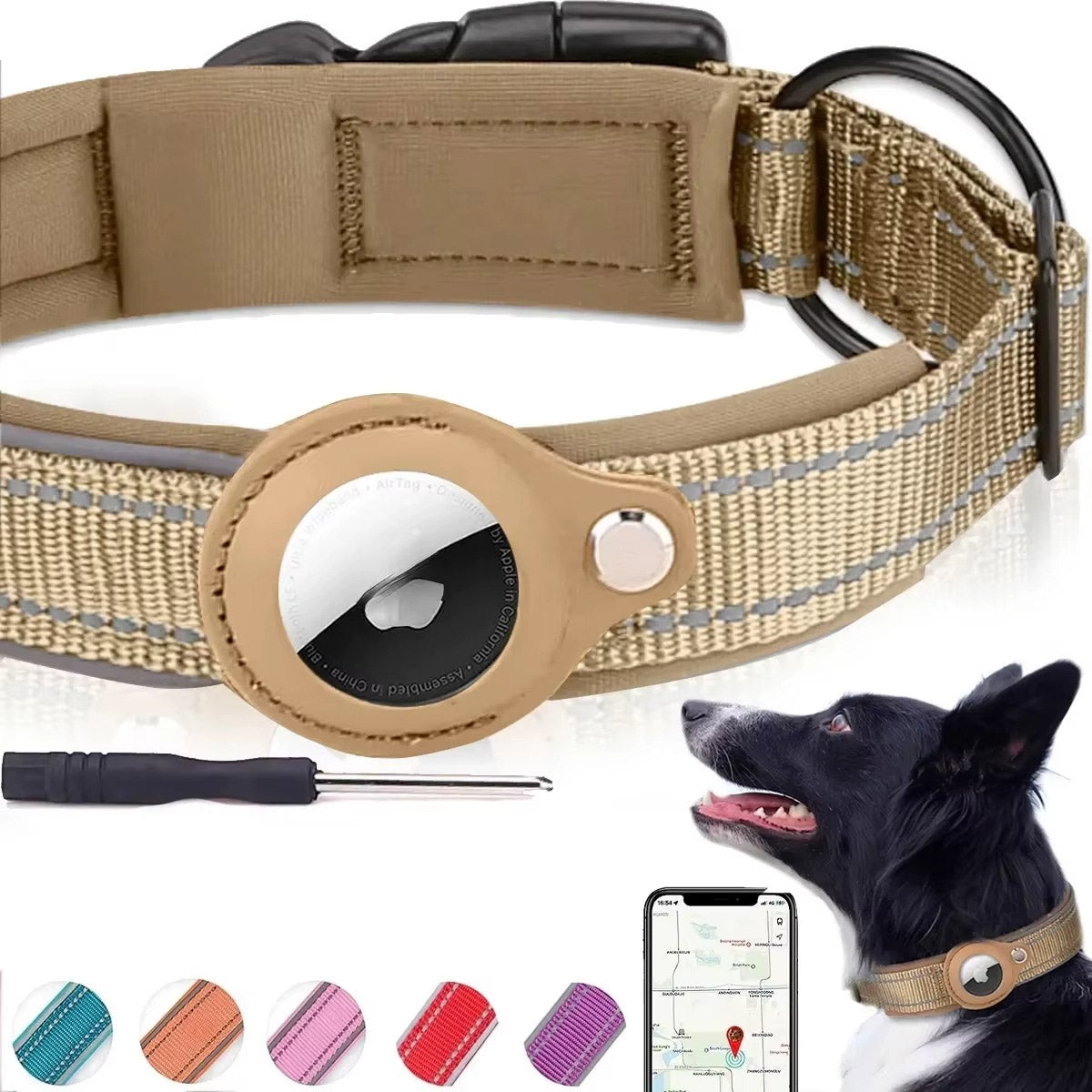
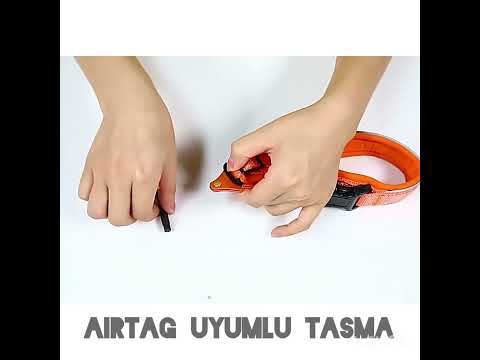
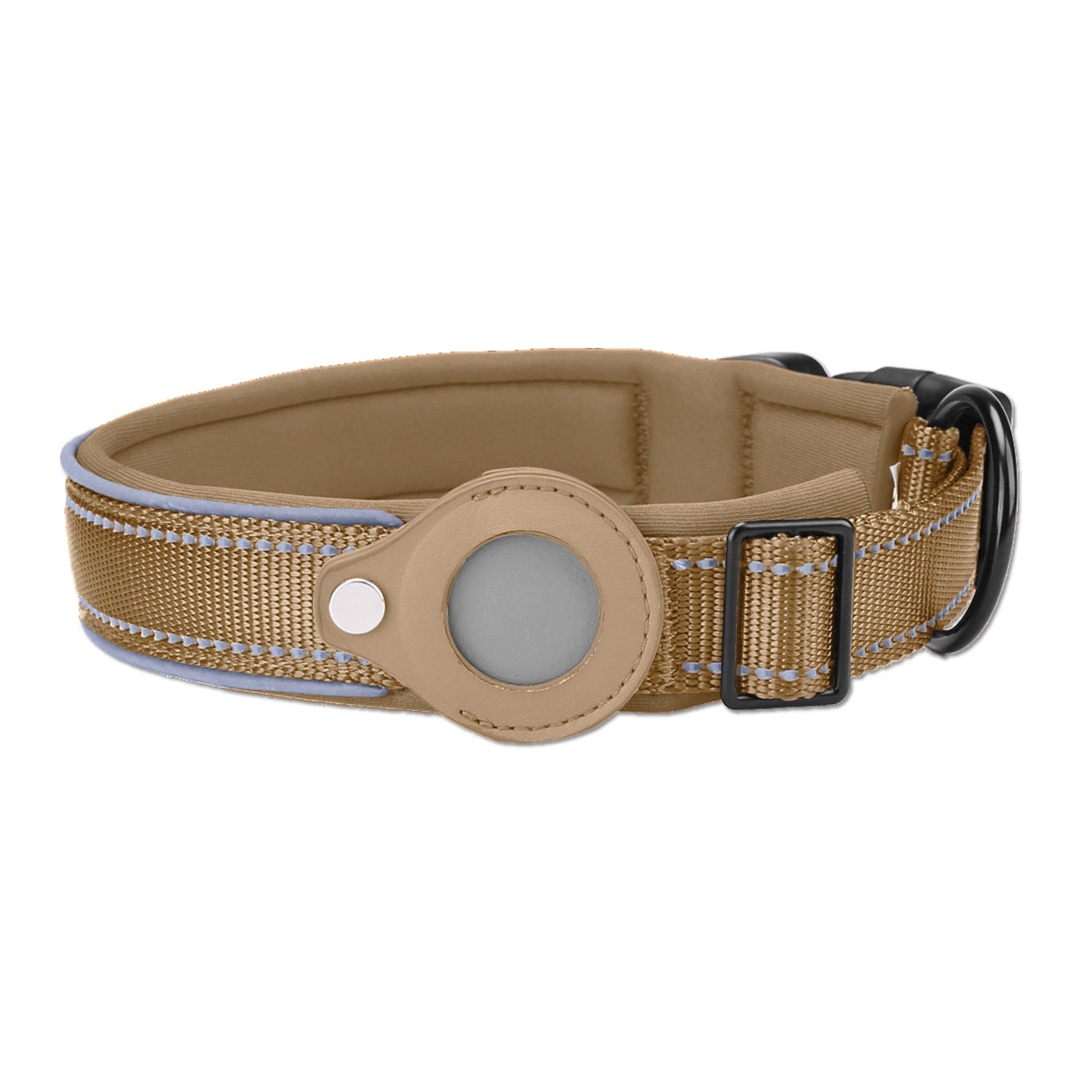
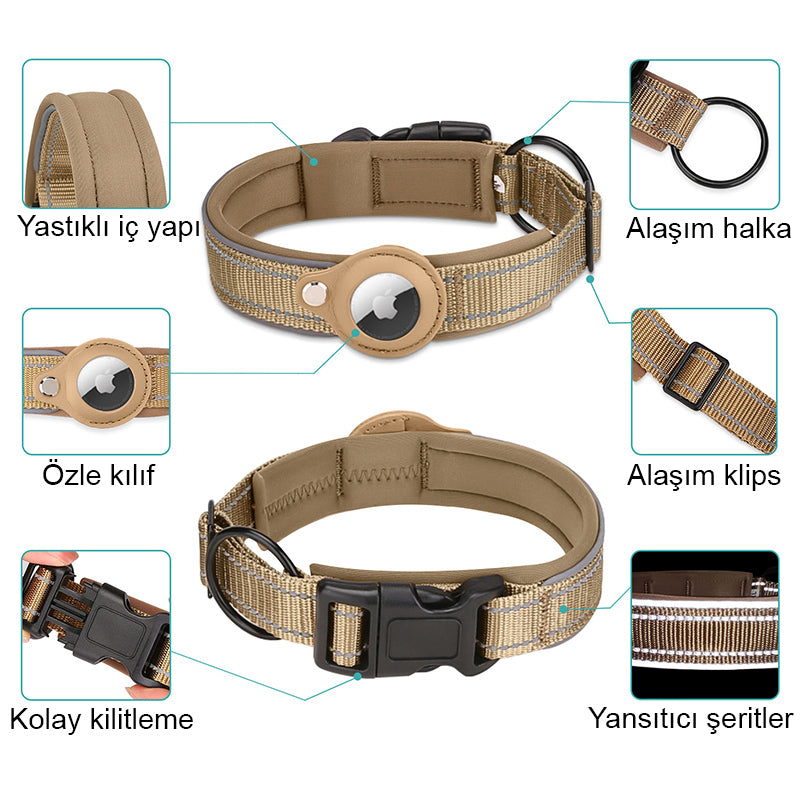
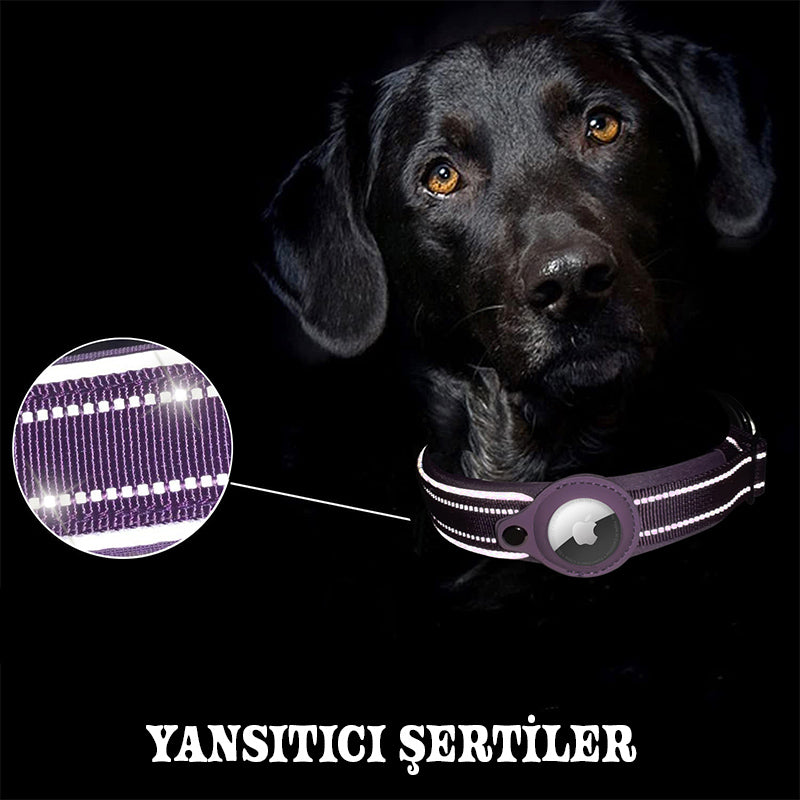
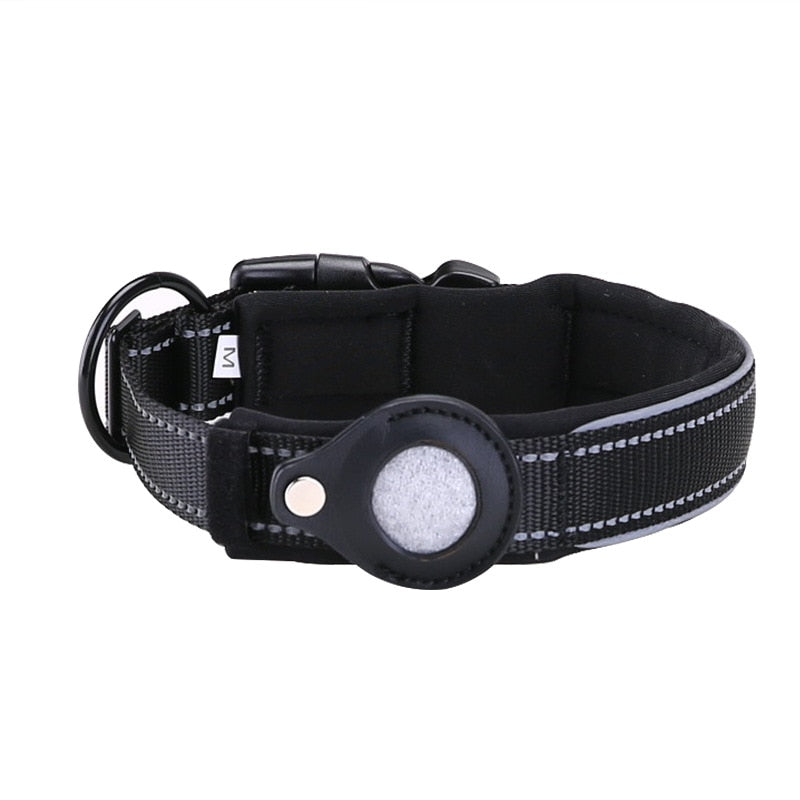
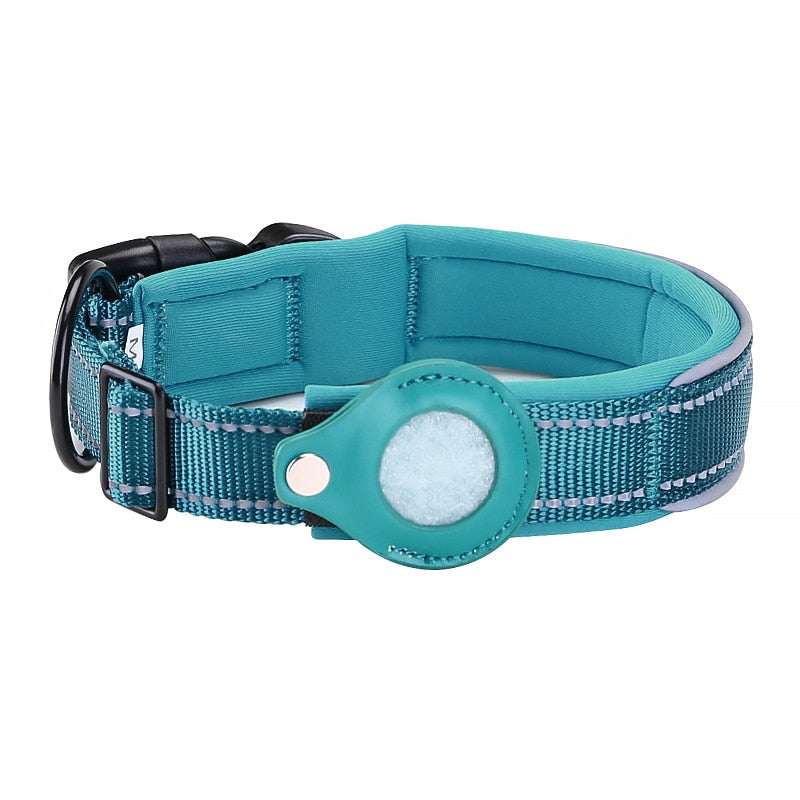
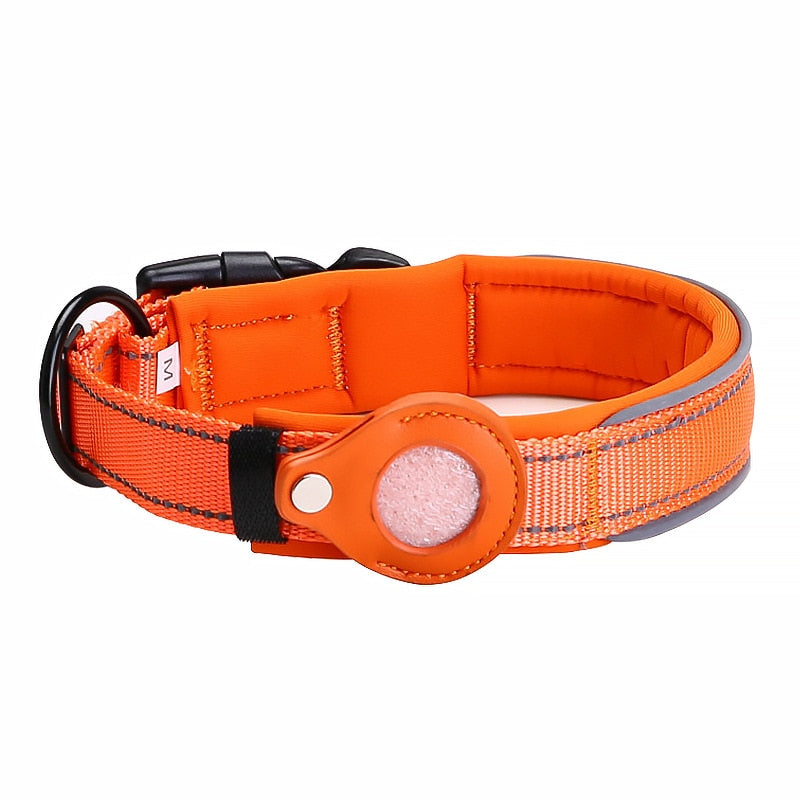
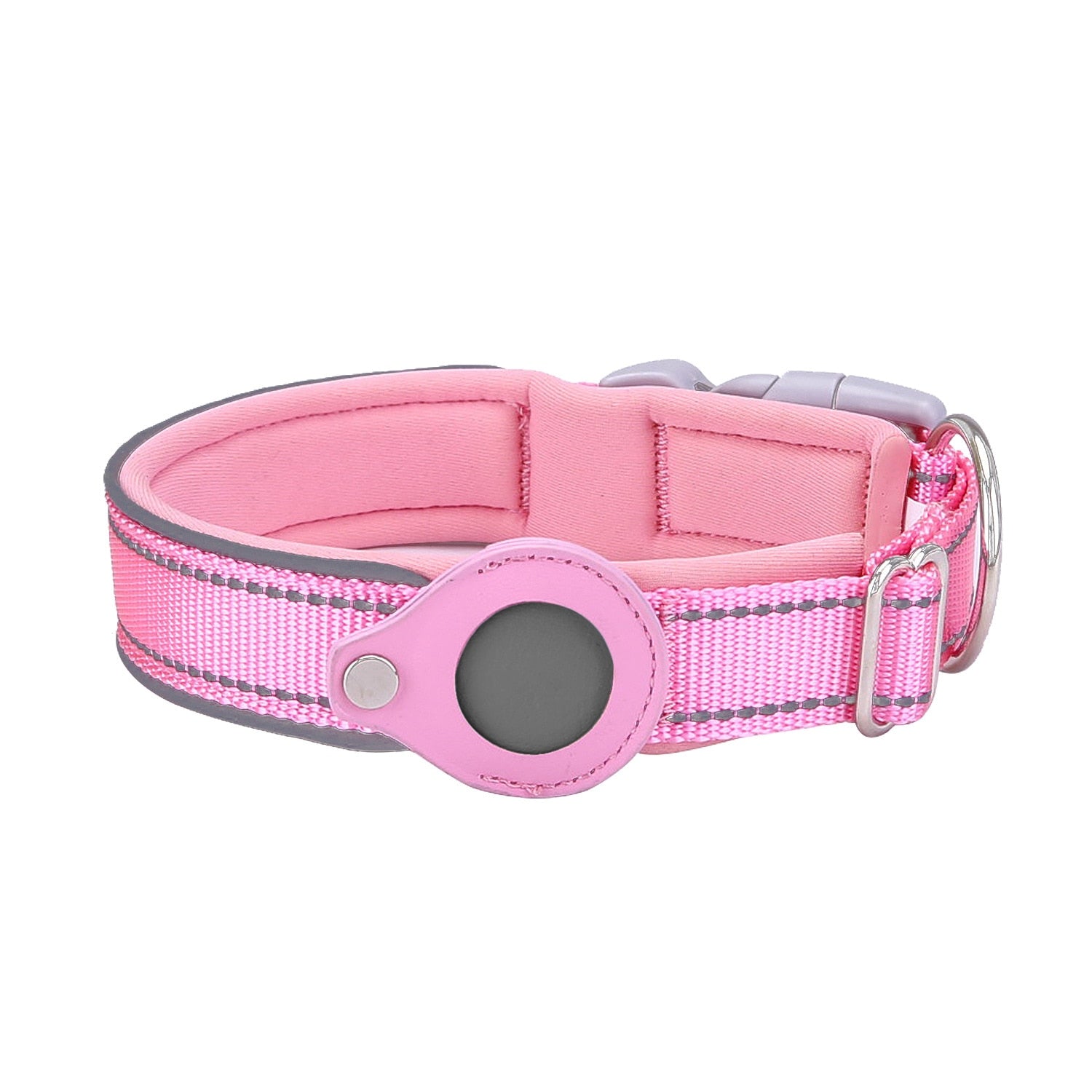
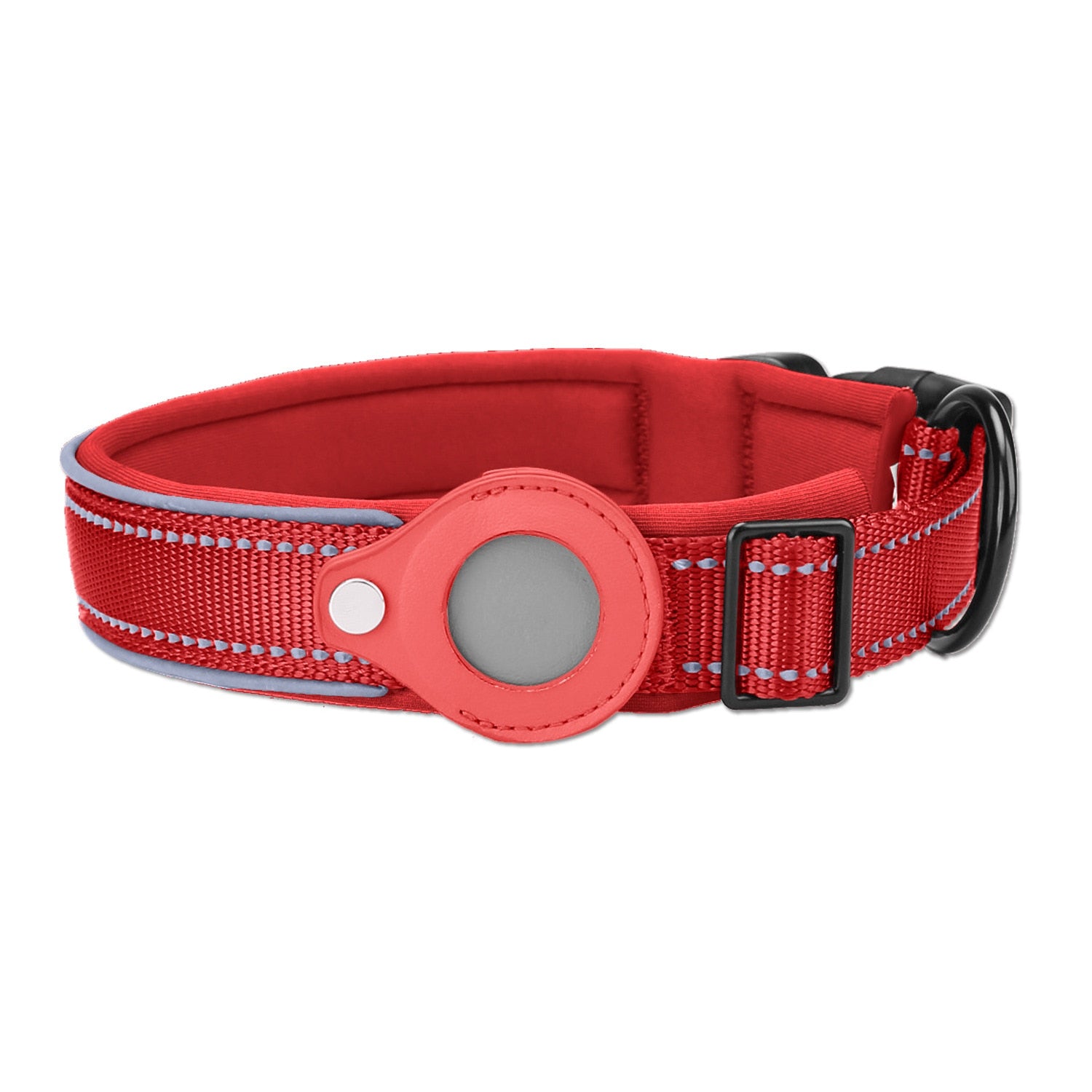
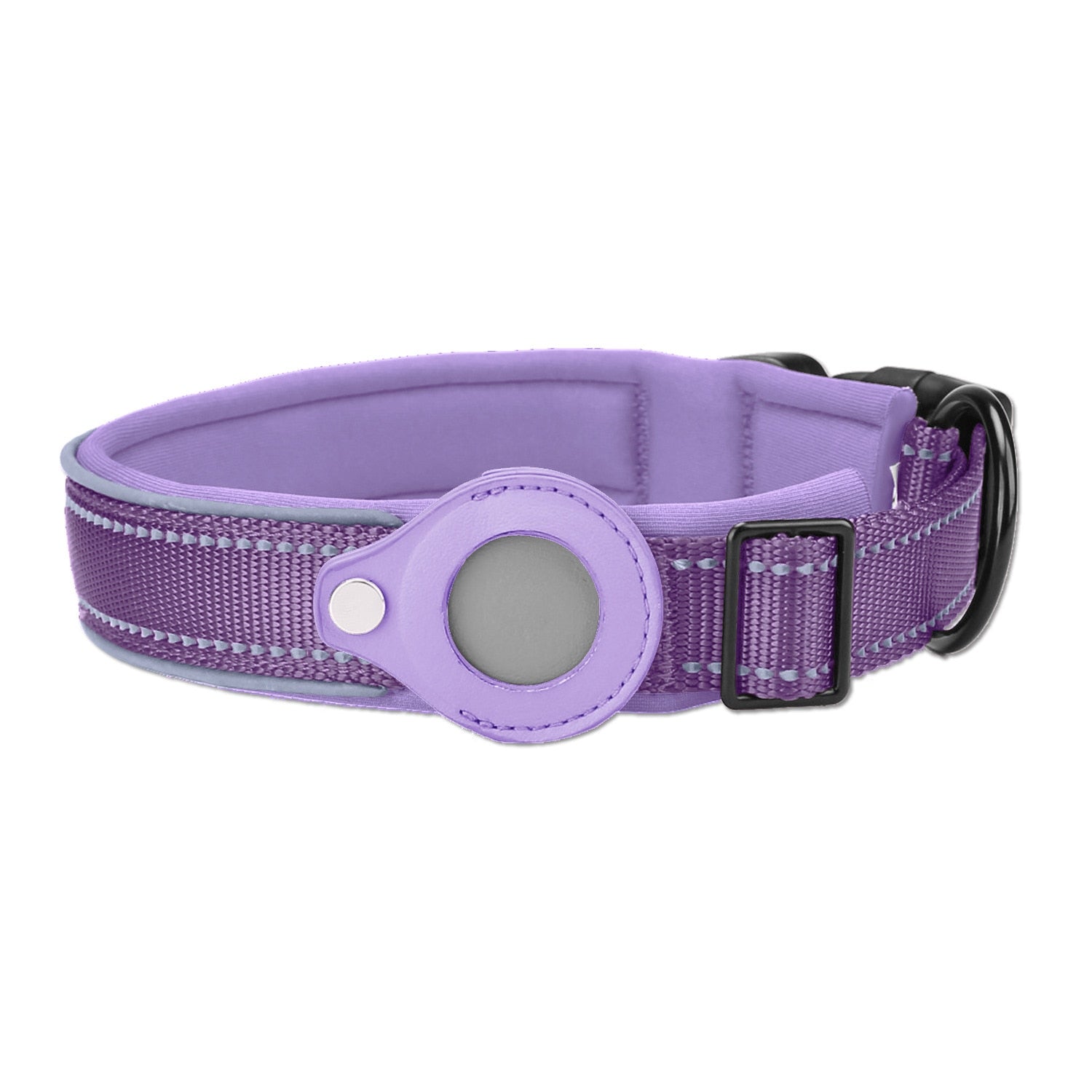
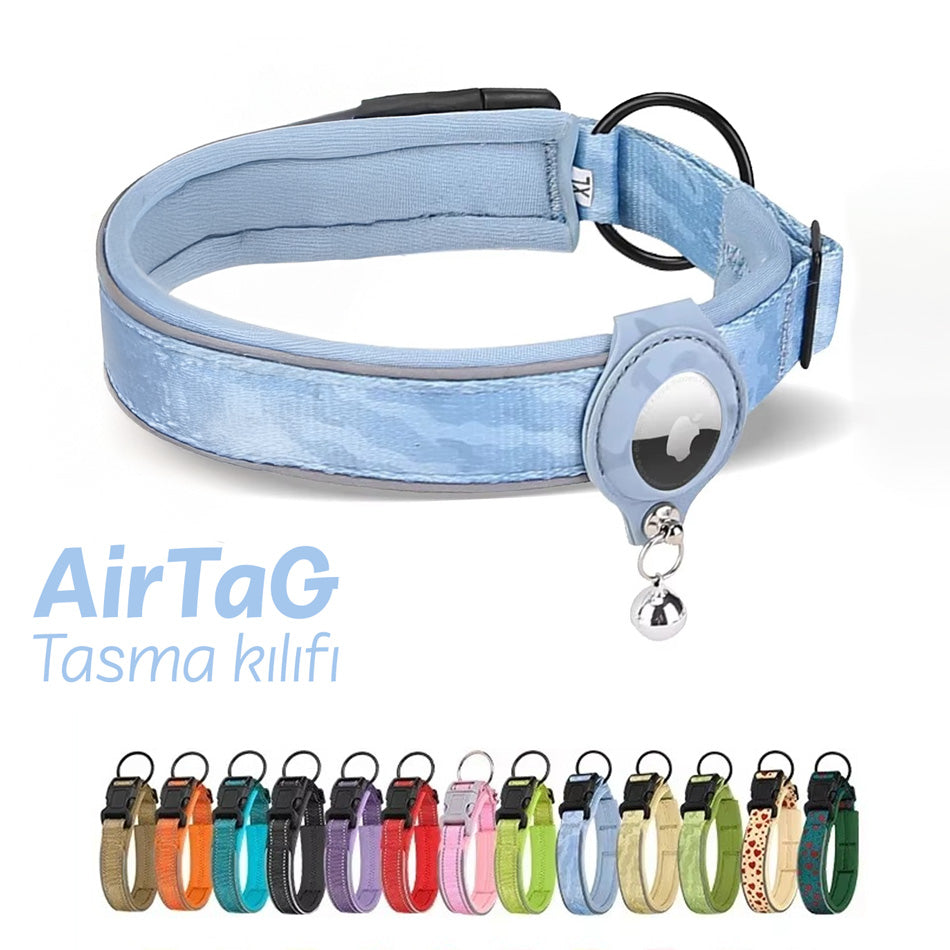
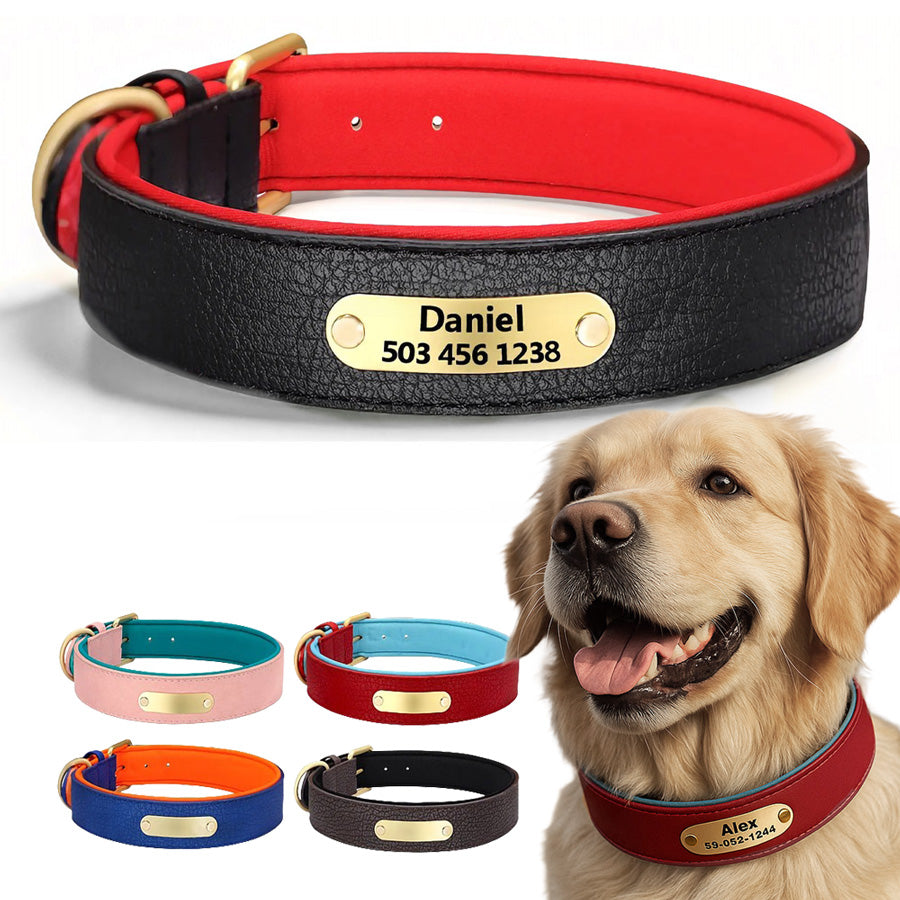
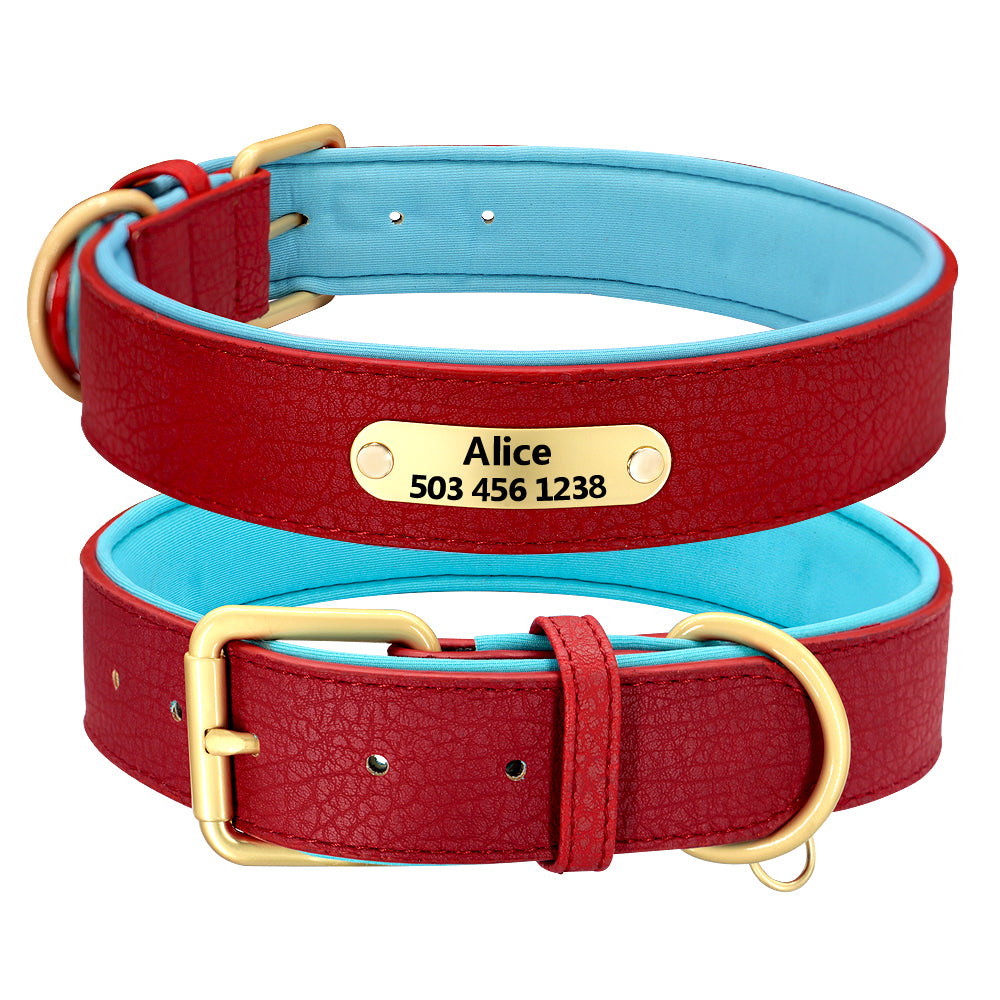
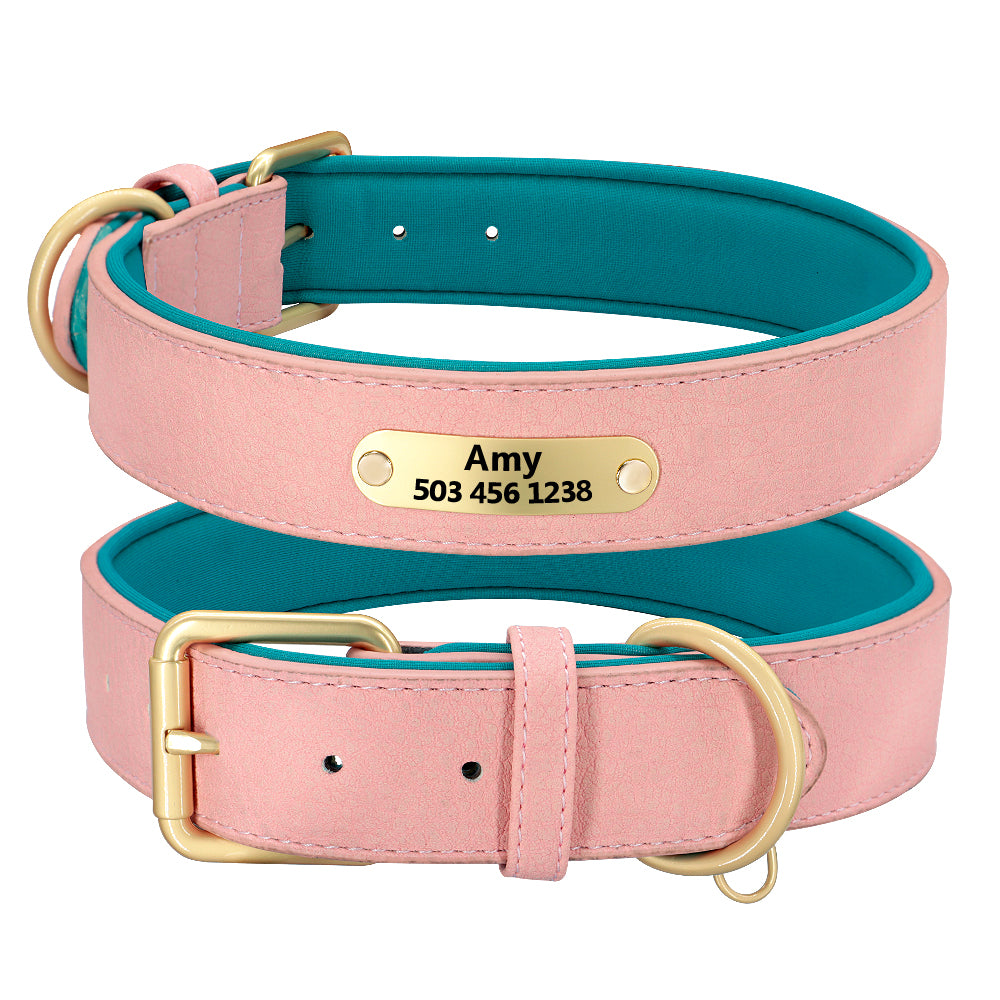
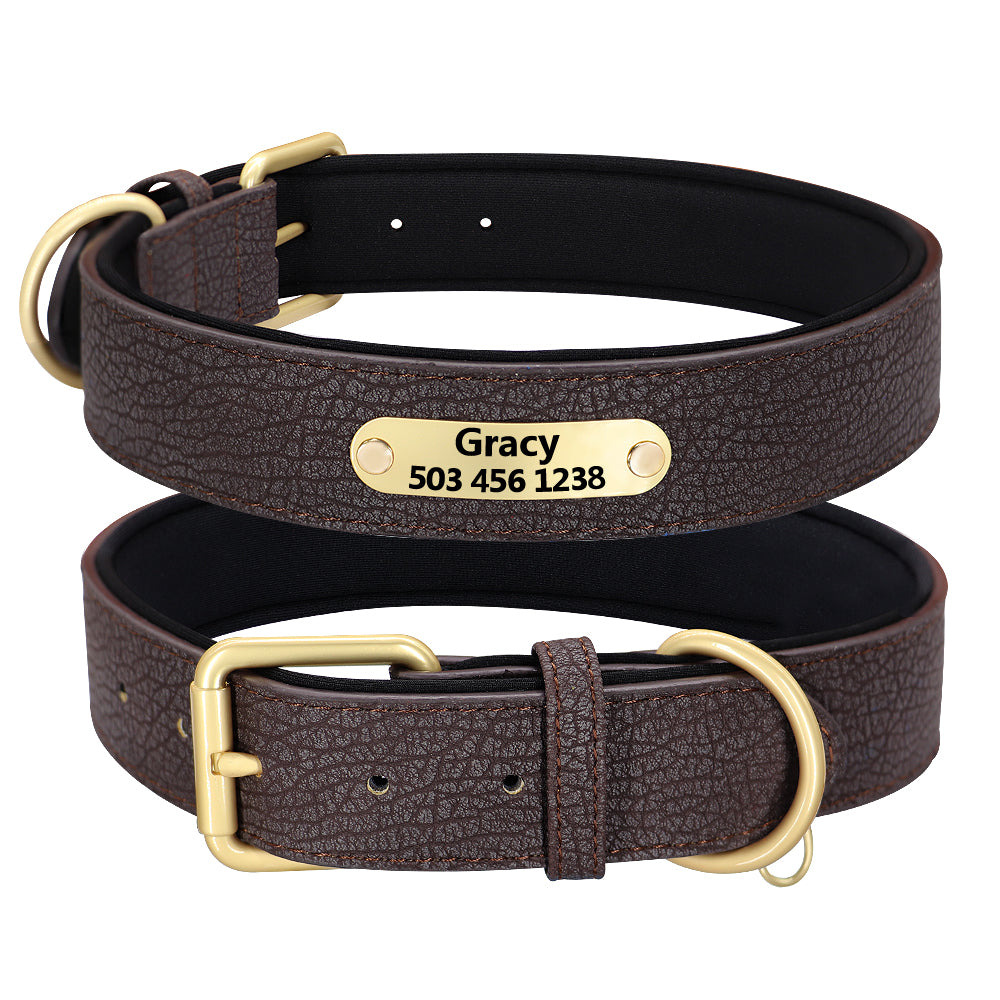
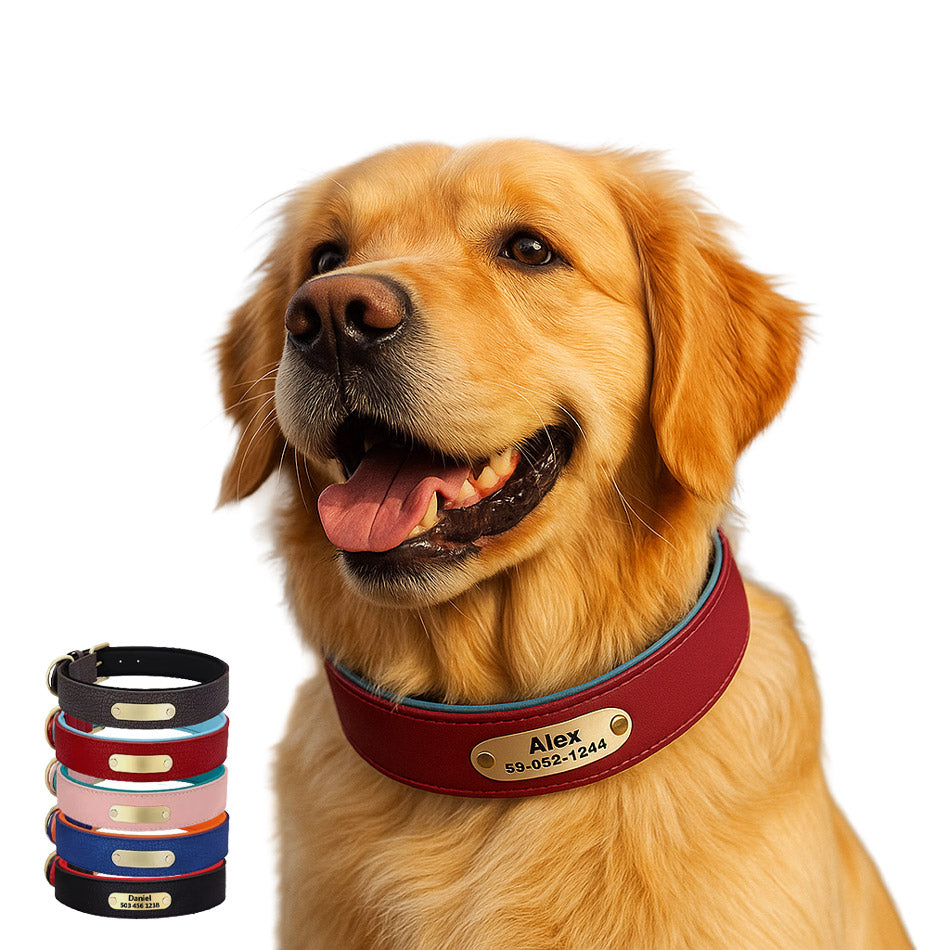
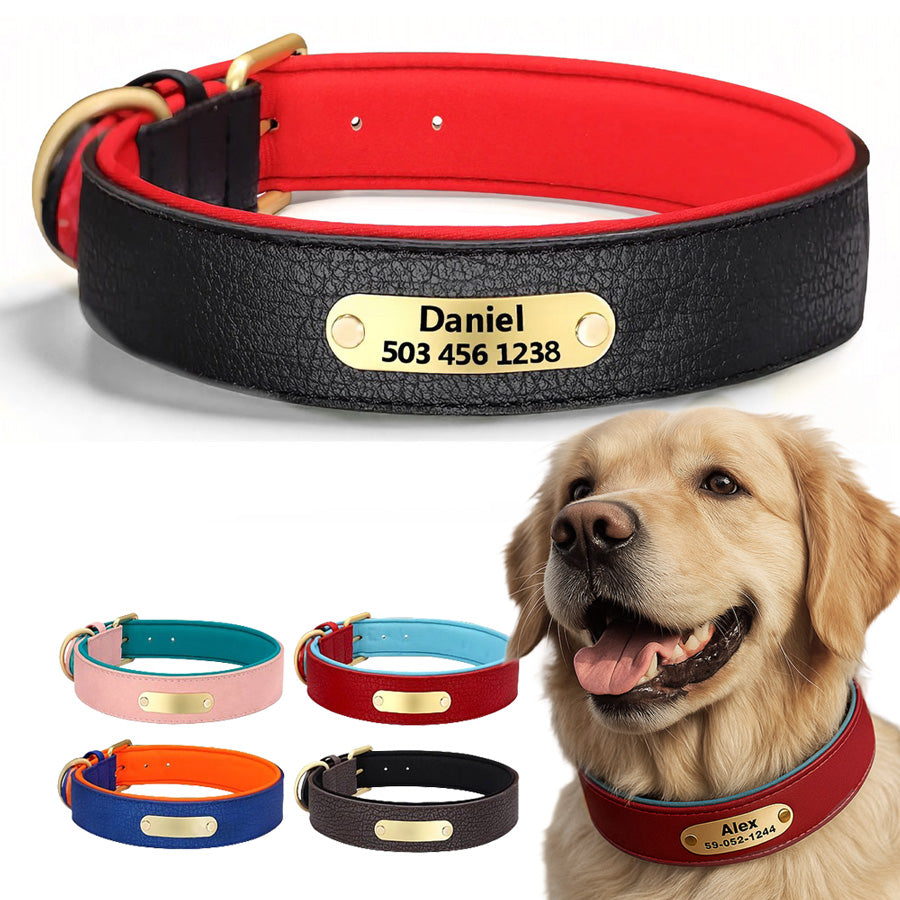
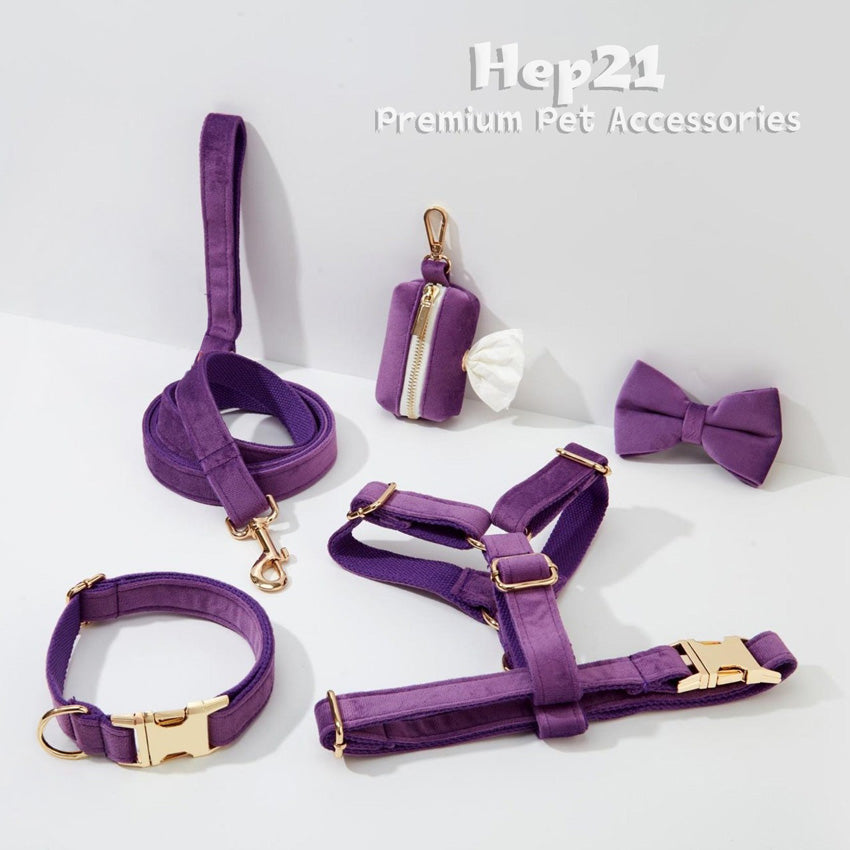
A dog training collar is the perfect tool to make your pet's training process more efficient and safe. In this article, we will cover everything from the benefits of dog training collars to their proper use and selection.
What is a Dog Training Collar and Why Should You Use It?
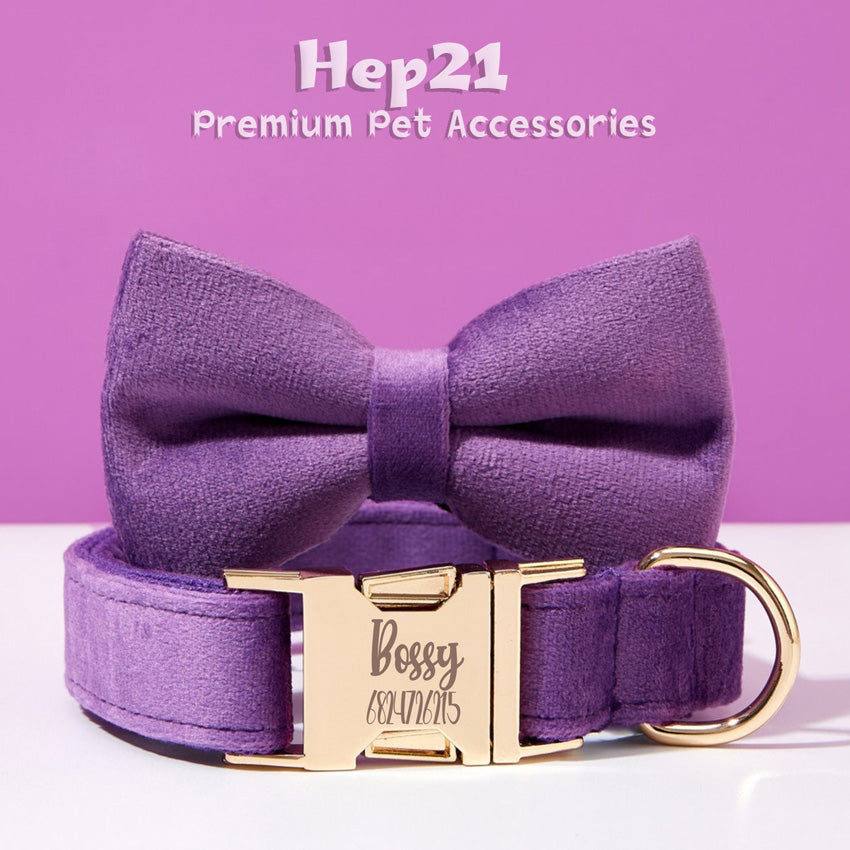
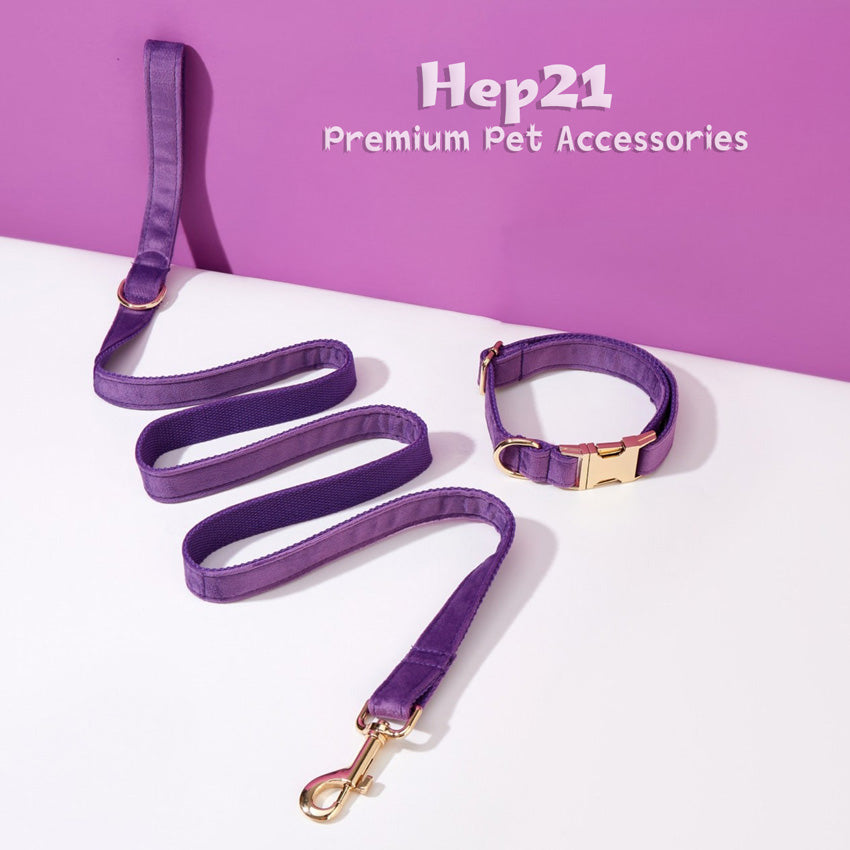
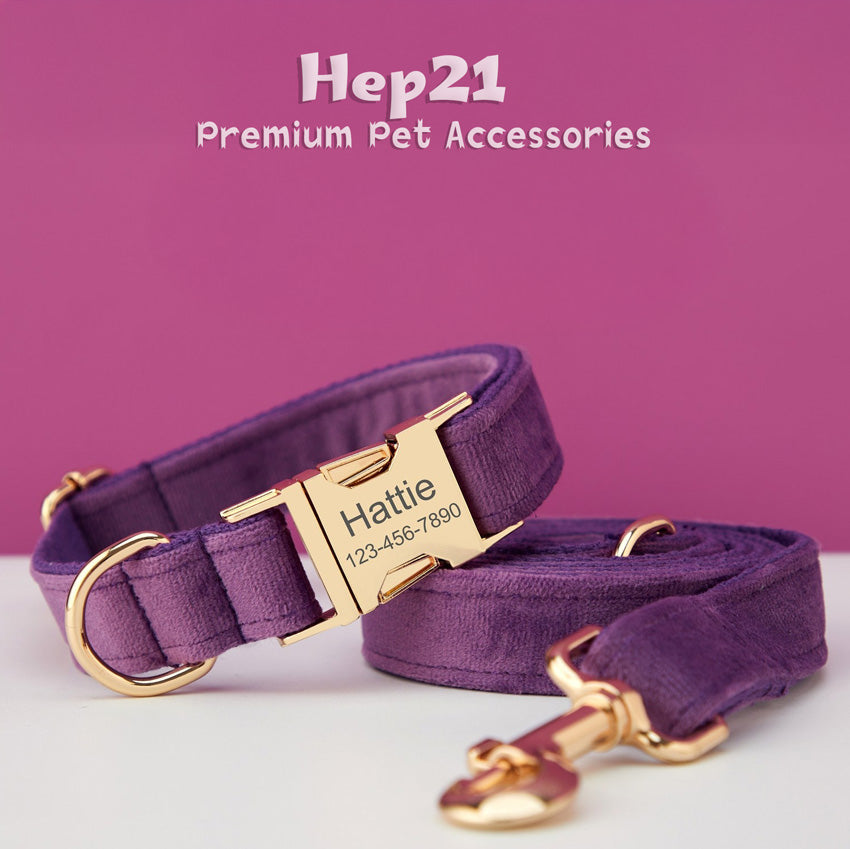
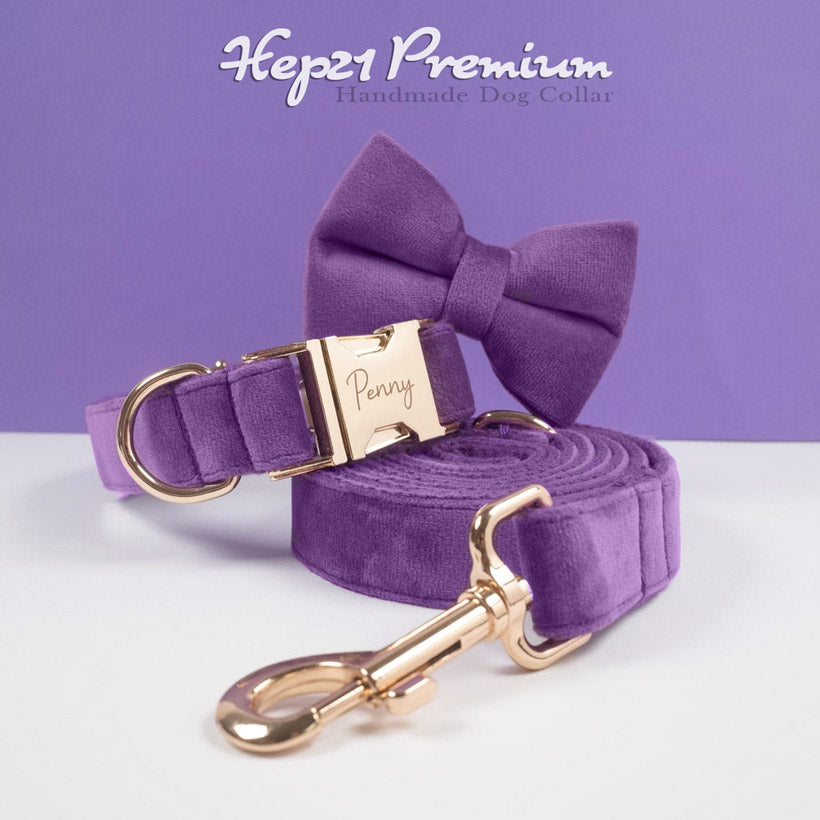
A dog training collar is a type of dog collar that helps owners manage dogs better by giving them more control during training. These collars help dogs learn appropriate behavior and break negative habits during the training process.
Advantages
- Makes the training process easier
- Keeps the dog safe
- Offers owners more control
- Helps correct wrong habits
How to Use Dog Training Collars Correctly
Step 1: Choosing the appropriate collar for your dog
Choose a training collar that suits your dog's size, age and personality. For example, lighter and softer collars can be used for small dogs, while more durable and sturdy collars should be preferred for large dogs.
Step 2: Attach a leash
Position the collar correctly around your dog's neck. Make sure the collar is neither too tight nor too loose. Adjust it to allow your dog to move comfortably.
Step 3: Starting the training process
Observe that your dog is comfortable with and accustomed to the leash before starting the training process. Then, use training collars to help your dog learn basic commands and adopt positive behaviors.
Step 4: Working your dog with a reward and punishment system
Give rewards when your dog exhibits correct behavior and give correct guidance using the leash when he exhibits incorrect behavior. This will help your dog understand what is right and what is wrong during the training process.
Maintenance and Cleaning of Dog Training Collars
Regular maintenance and cleaning is essential to extend the lifespan of training collars and continue to use them hygienically.
Cleaning
- Wash the collar with warm water and mild detergent.
- Rinse the collar thoroughly and remove any remaining detergent.
- Let the collar dry naturally in a ventilated area.
Care
- If the collar shows signs of damage or wear, check it regularly.
- Replace or repair any parts of the collar that show signs of breaking, cracking or loosening.
- Check the metal parts and clips regularly and lubricate if necessary.