Contents
- Types of Dog Collars
- Training Collars and Dangers
- Choosing the Correct Material of Dog Collars

Types of Dog Collars
When deciding which collar is best for your dog, you should consider your dog's daily activities and needs. Here are some common collar types and their features:
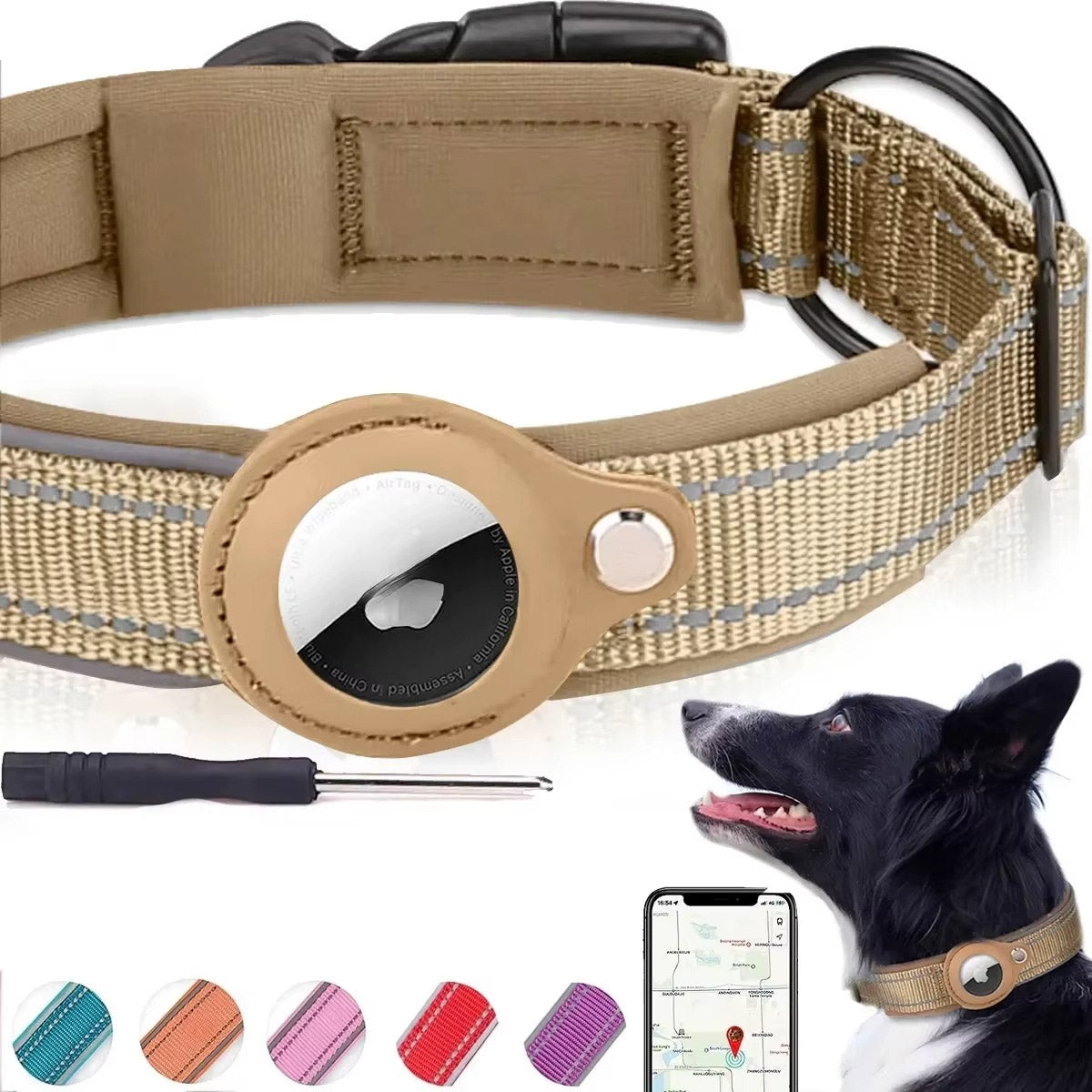
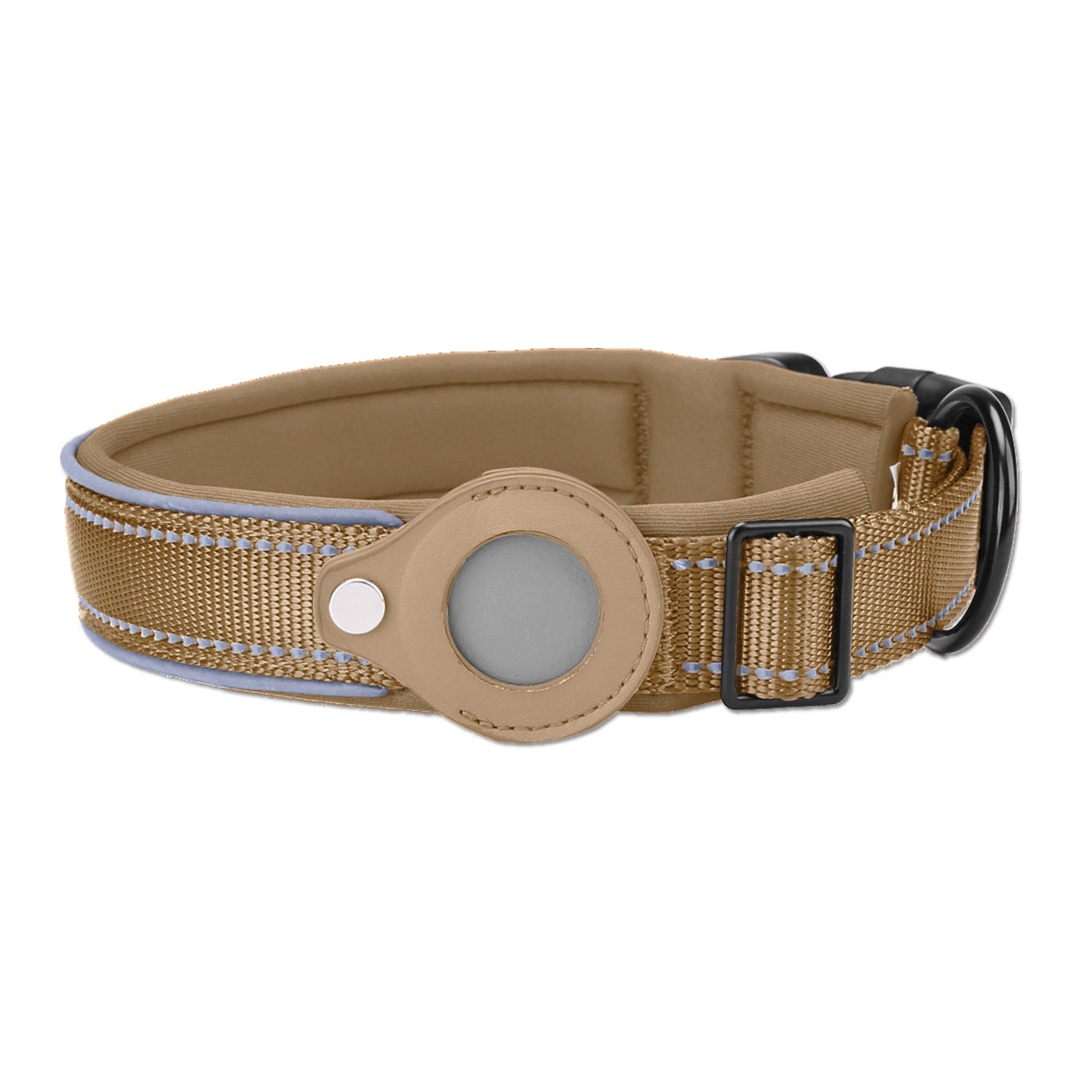
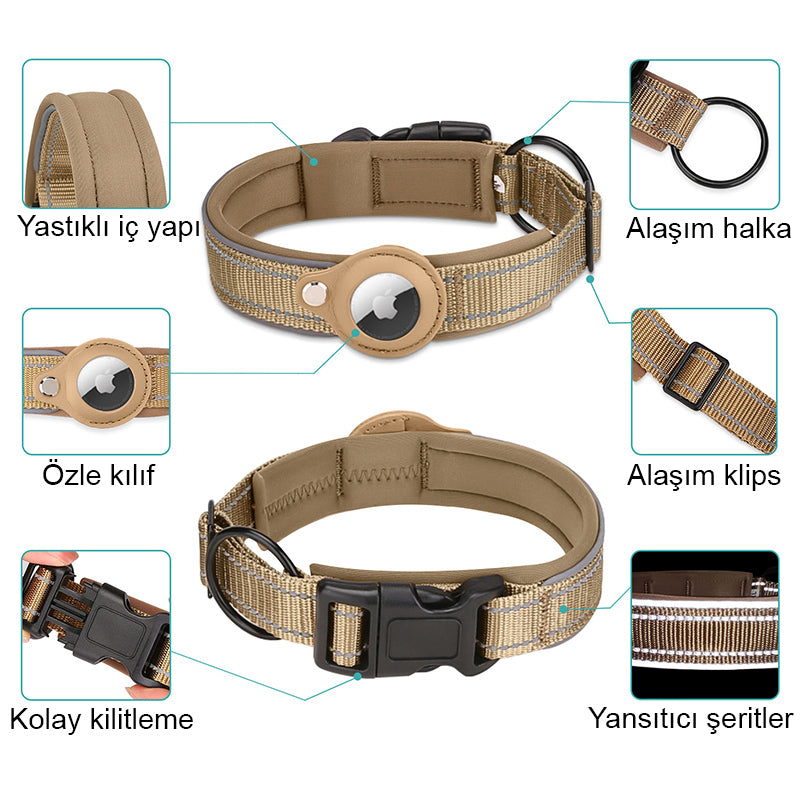
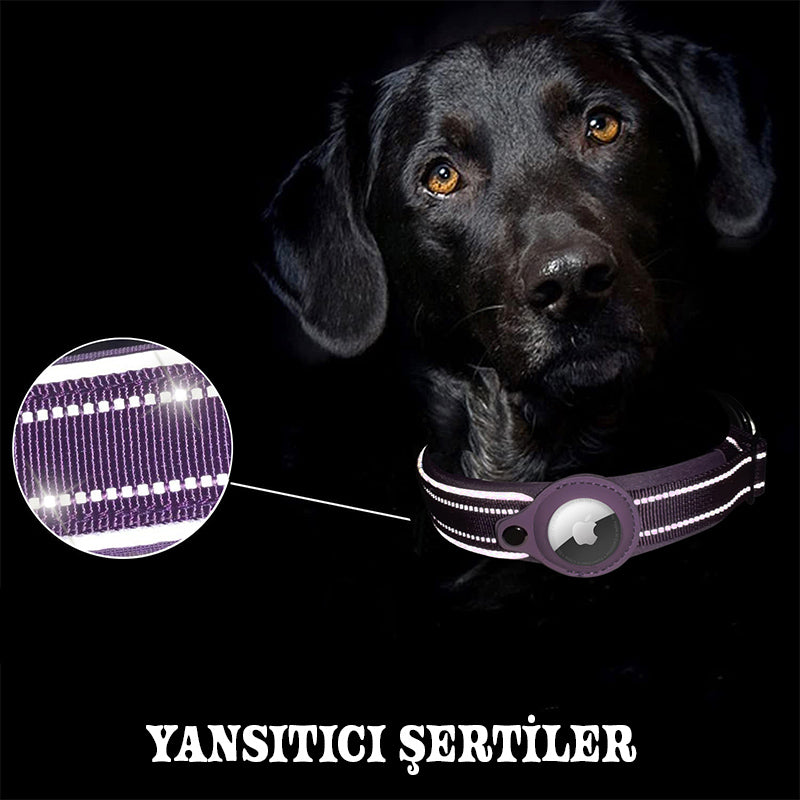
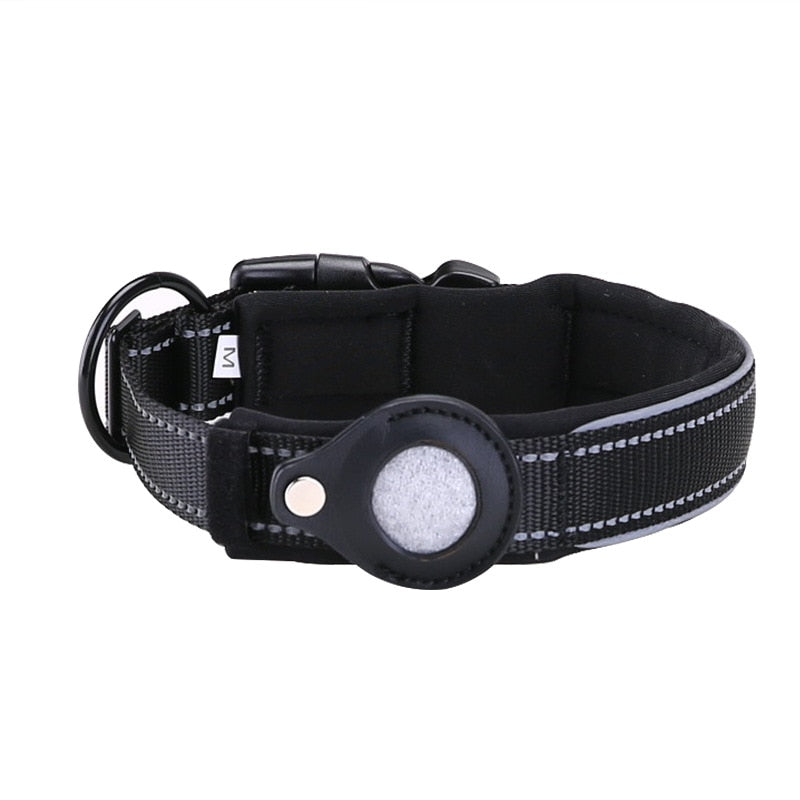
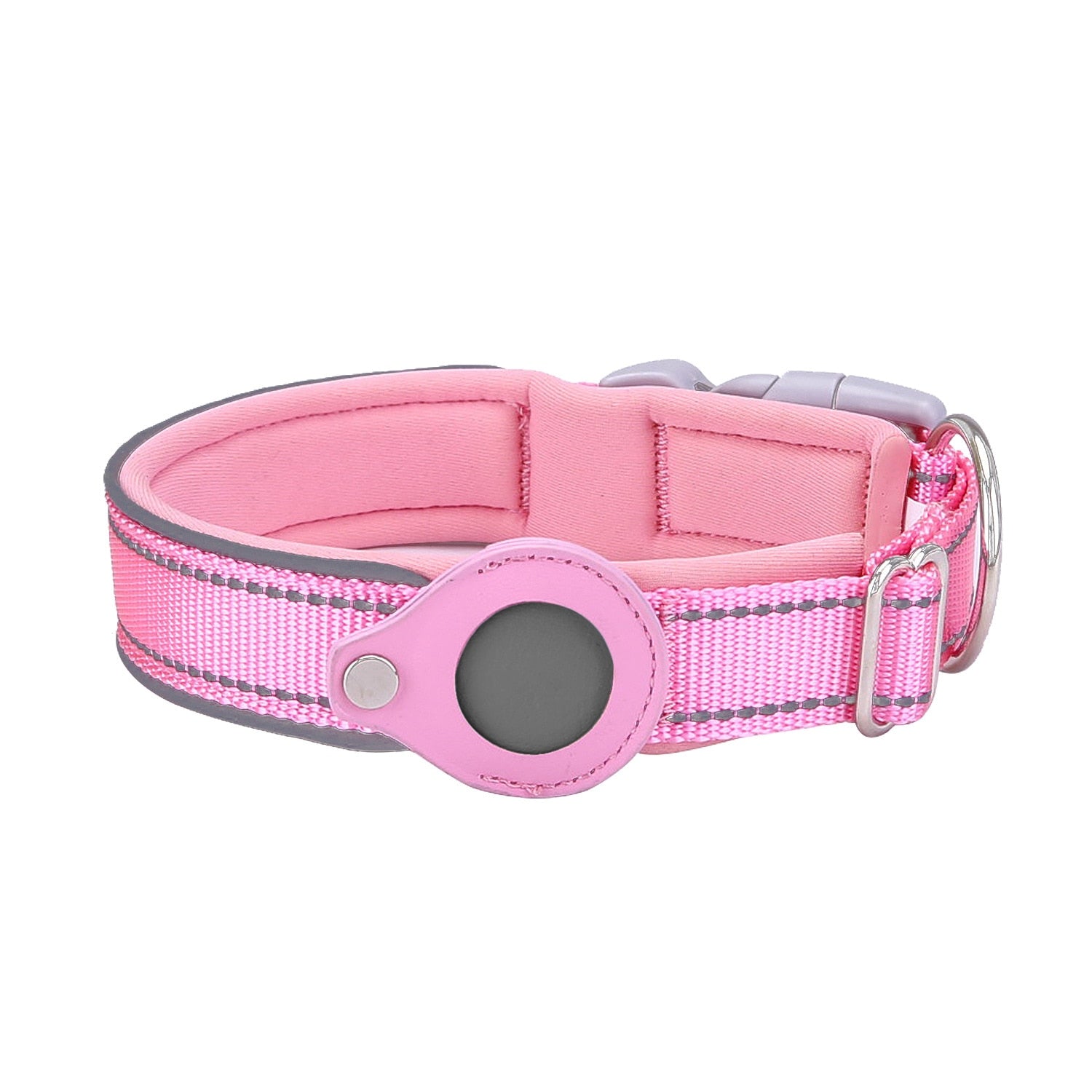
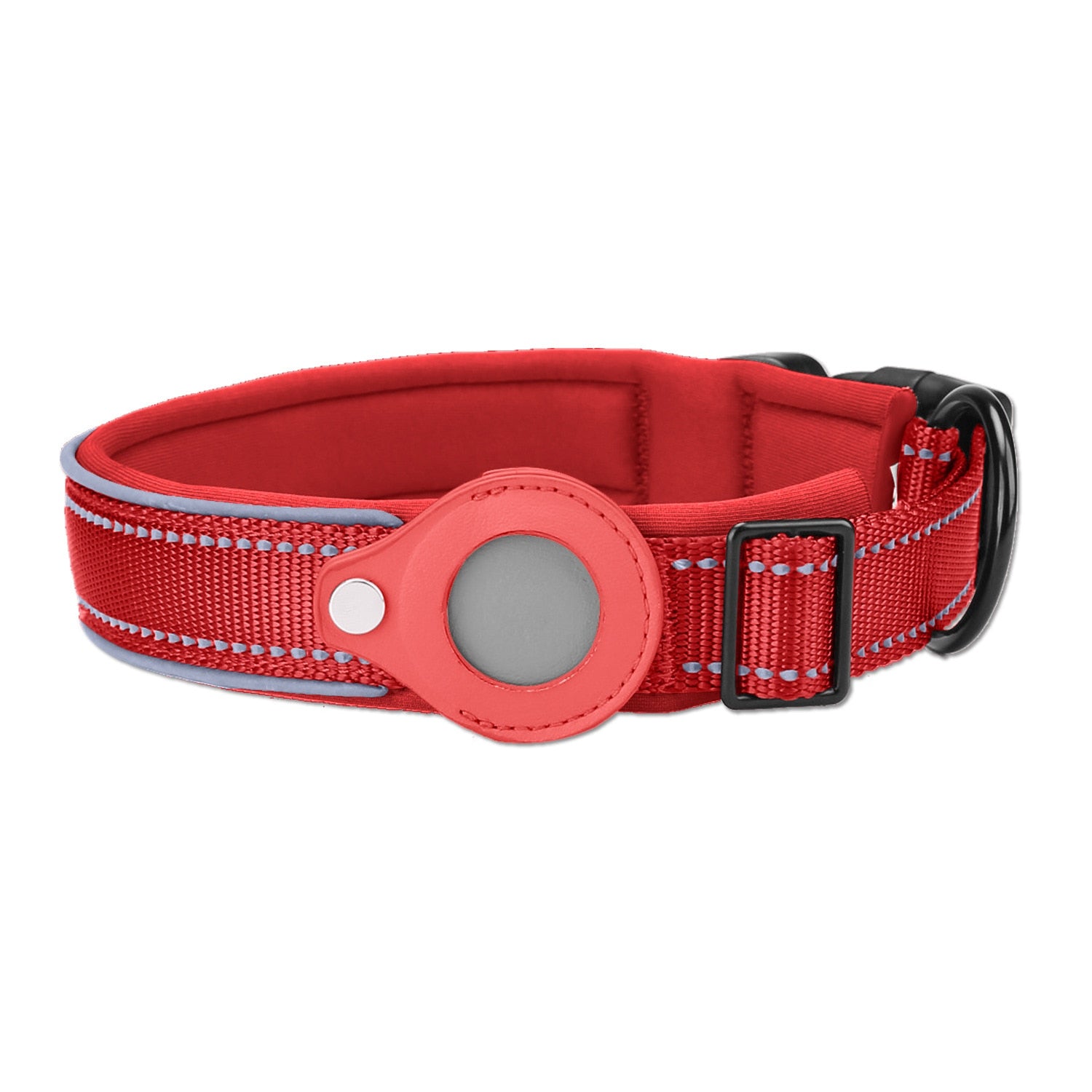
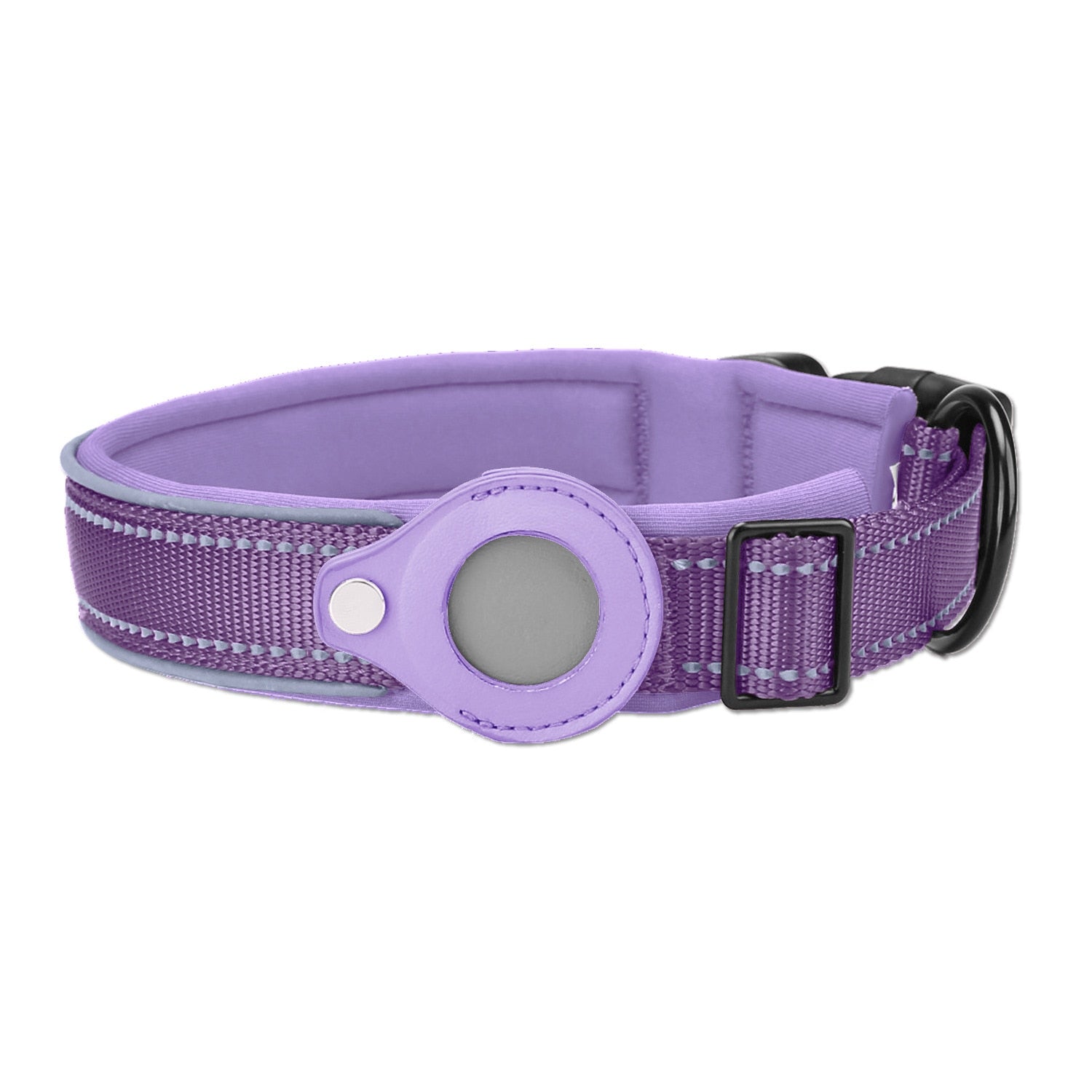
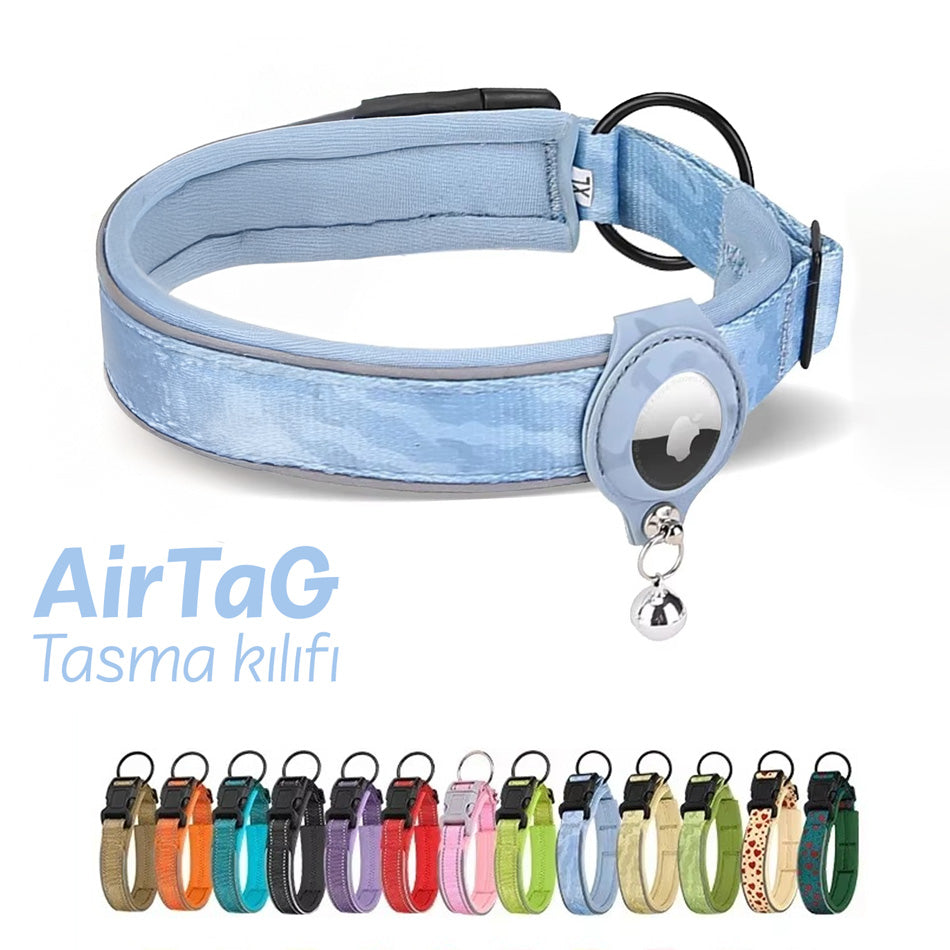
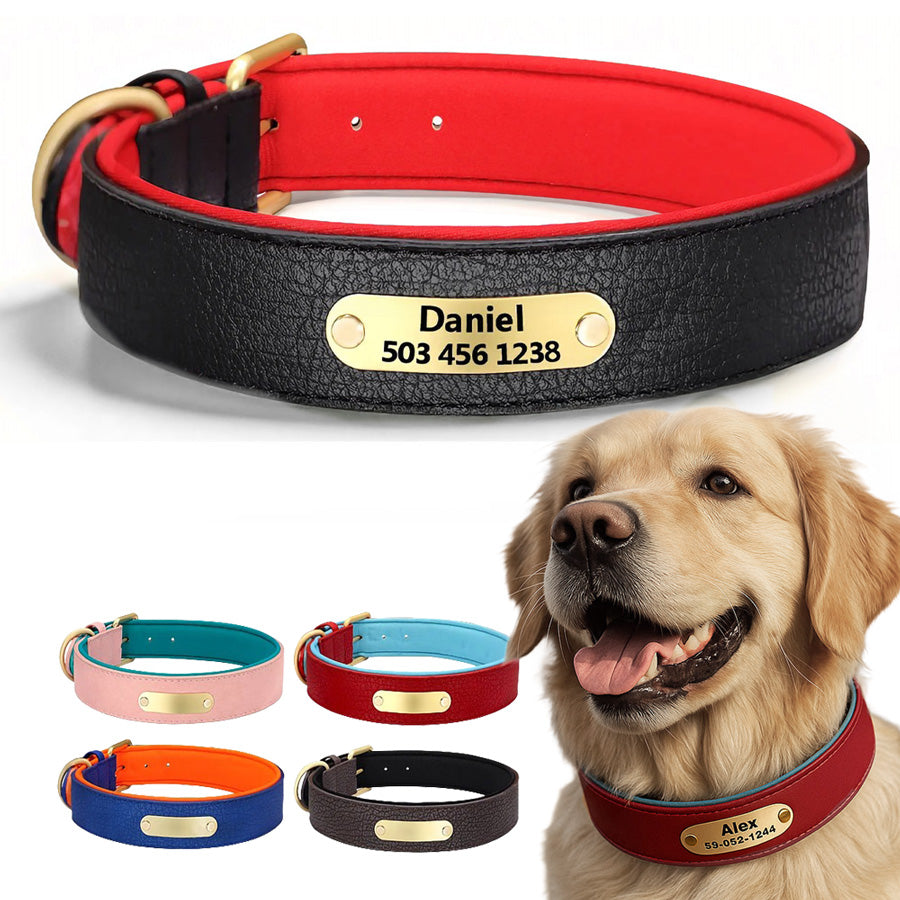
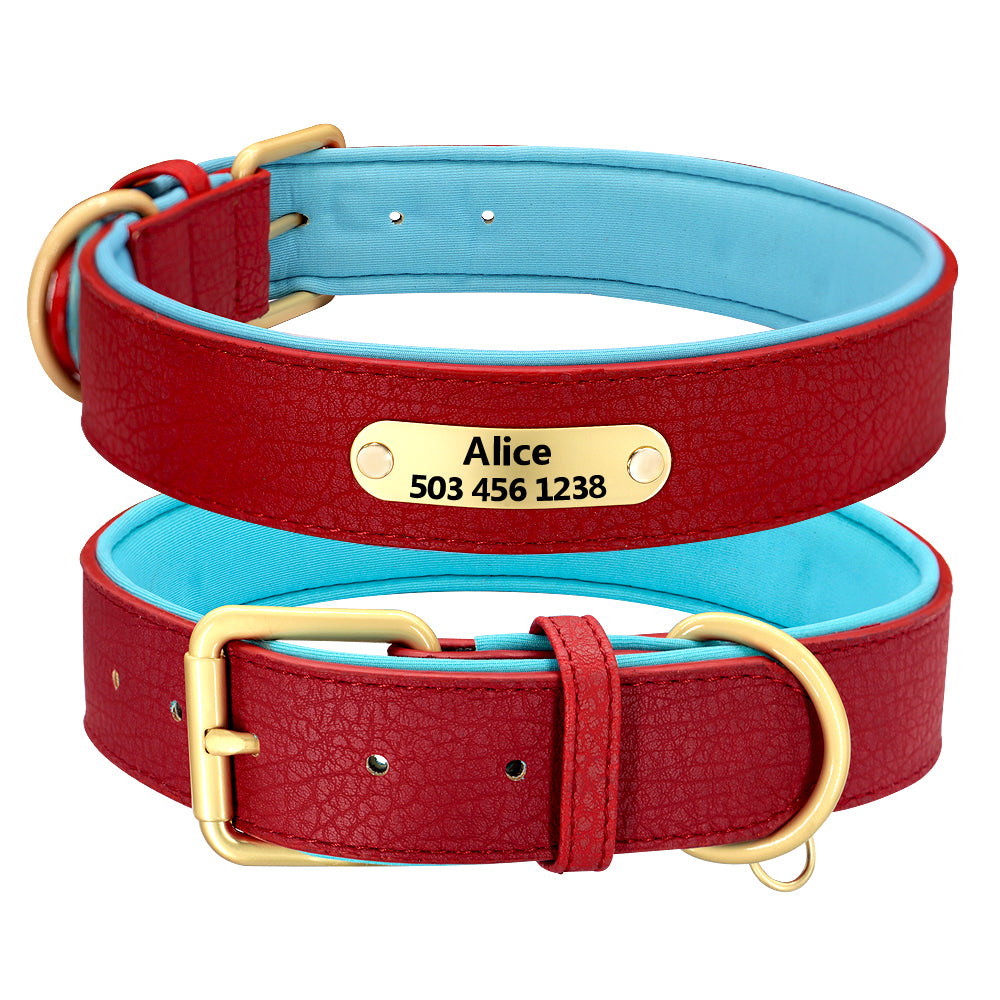
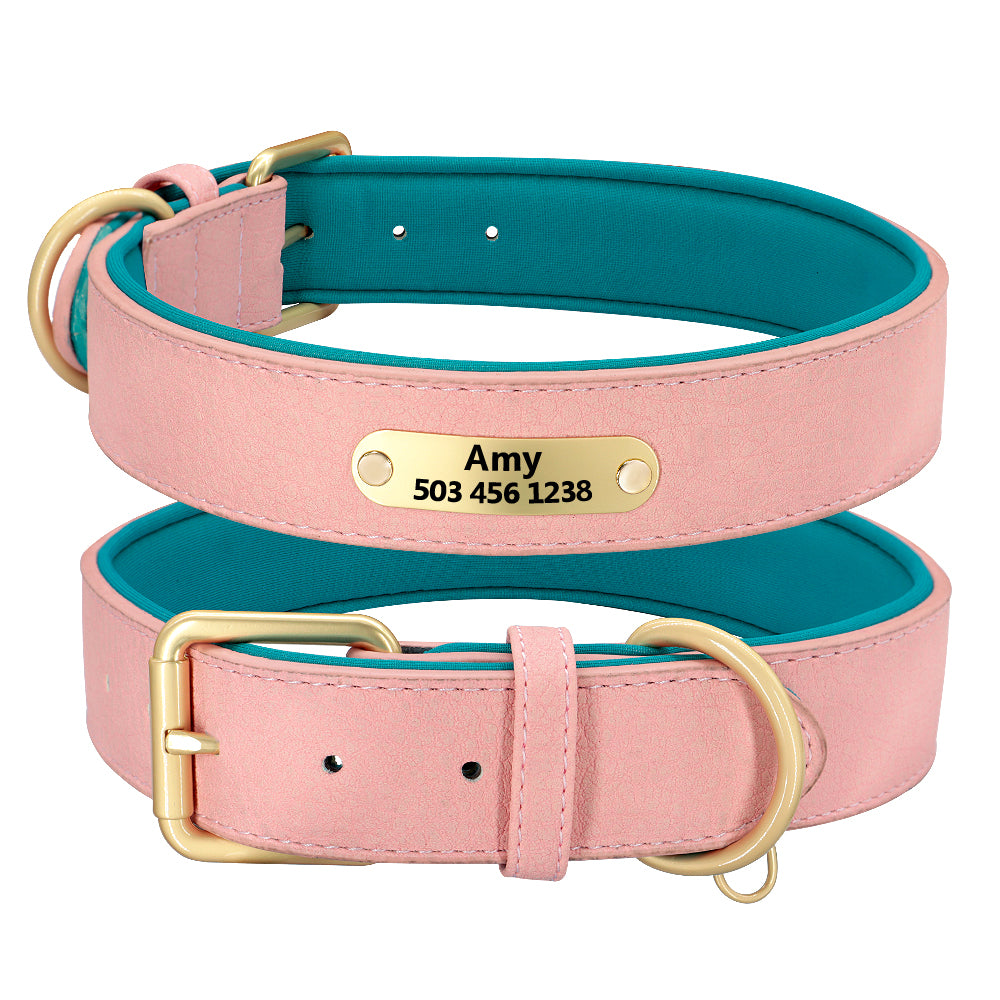
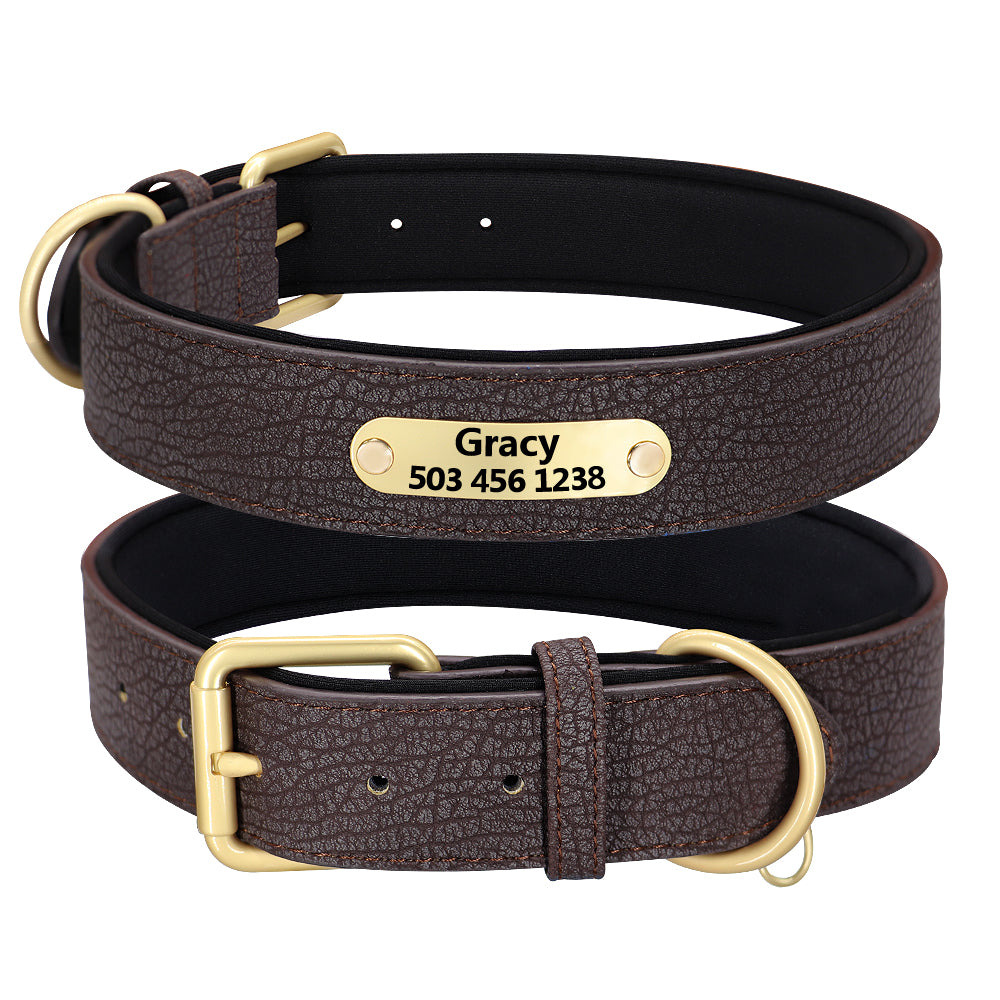
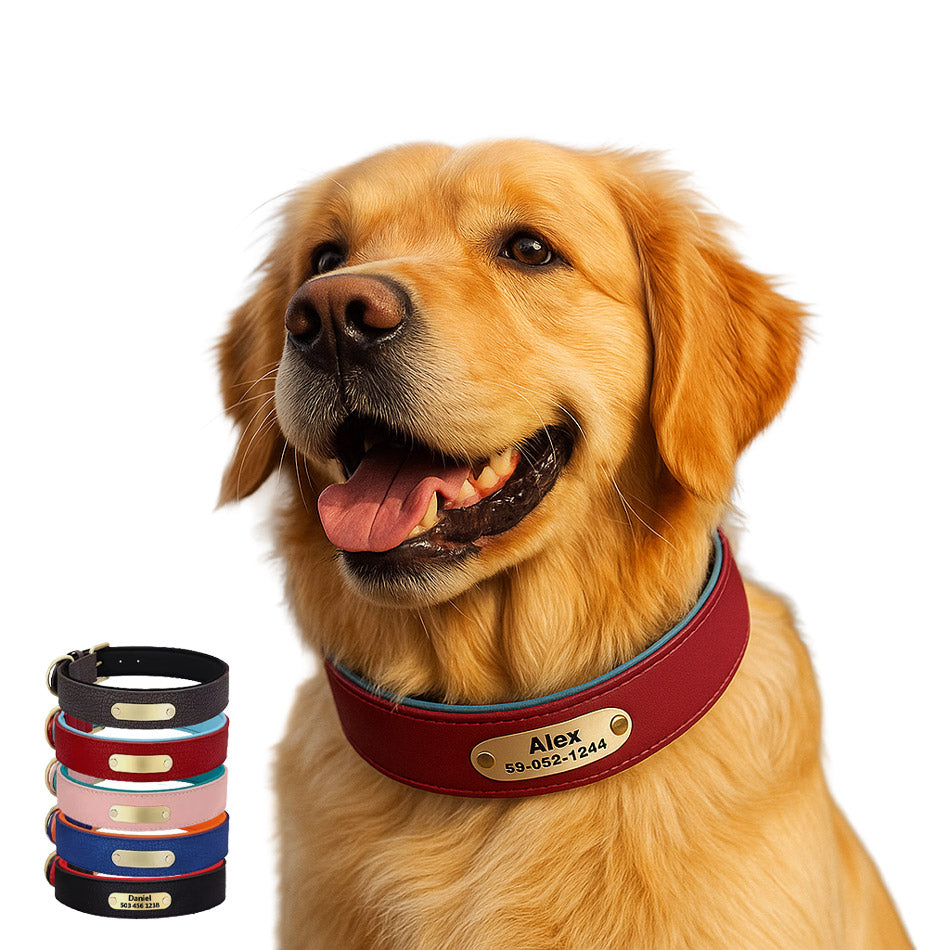
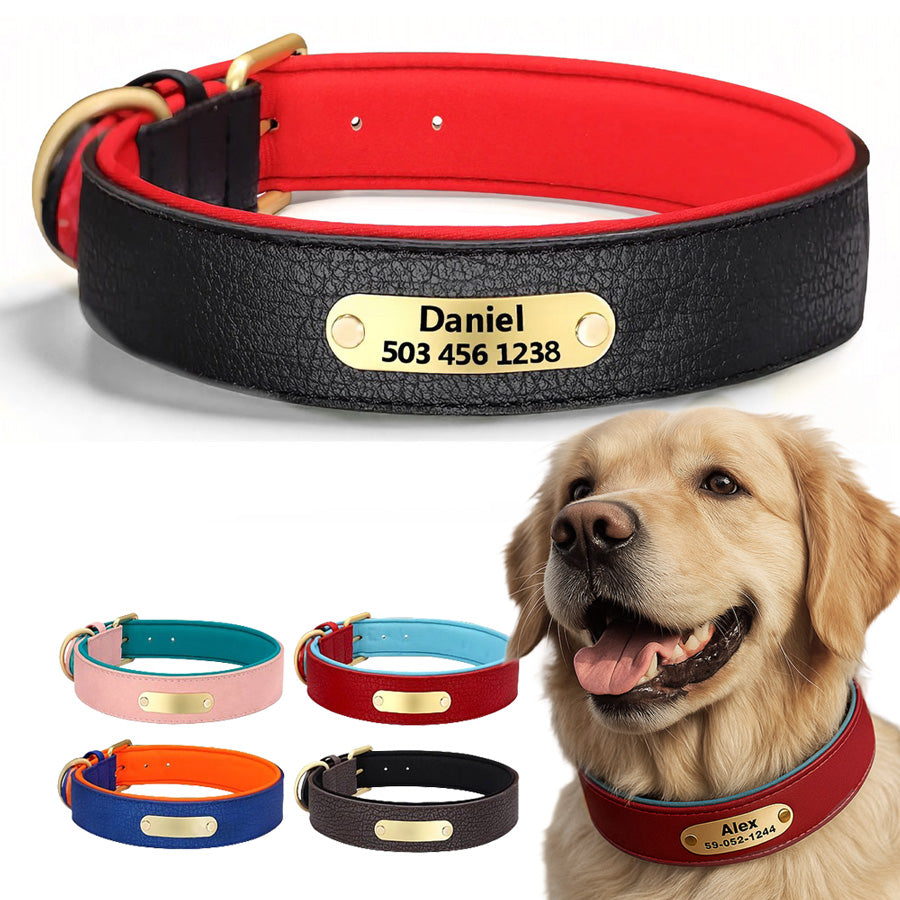
- Standard Collars: These collars are the most commonly used type. Both simple and stylish designs can be found. They are generally comfortable and ideal for dogs that do not pull or simply need to carry their identification tags. You can choose phosphorescent or durable types, especially for night walks.


- Break Collars: These collars are designed for the safety of your dog when he is unattended. If the collar gets stuck somewhere or pressure is applied to it, it opens quickly thanks to its special buckle. This prevents your dog from getting trapped in a dangerous situation. However, this type of leash is not recommended for outdoor walks.
- Training Collars: These collars are used to teach your dog better behavior during walks. It is ideal for keeping your dog under control, especially when you go to new places or in crowded environments.
- K9 Tactical Collar K9 tactical collar is a type of collar designed specifically for specially trained dogs such as service dogs, police dogs and military dogs. These collars have superior features in terms of durability, functionality and ensuring the safety of the dog.

Training Collars and Dangers
Dog Choke Chains
It is a chain collar, also called a choke chain or choke collar. These chain collars are designed to compress your dog's neck when he starts pulling. As with the martingale, there is no limit to how tight this leash can get.
Choke chains should fit loosely. They are not adjustable and do not have a buckle, so the collar must be large enough to easily slide over your dog's head. This also means that when loose the collar will hang over the neck.

Dangers of Choking Chains
Choke chains can be very damaging to your dog if not used correctly and are rarely used correctly, martingale can only tighten to a limited extent whereas choke chains can tighten much more which can lead to pain, damage to the neck and esophagus and strangulation (the reason for the name).
Barbed Choke Collars
The choke collar is an upgrade from the choke chain. Featuring a Martingale collar-like structure, this collar fits snugly around the dog's neck and has inward-pointing teeth. It is generally suitable for large dog breeds with thick skin. These collars are not used at the beginning of training; It is often preferred if other training methods do not work.

Thorny Dangers of Choke Collars
These types of collars have some risks. Although the teeth are usually rounded at the ends, you can hurt the dog if the dog pulls too hard or pulls hard on the leash. Rubber tips are sold to make teeth safer, but there is still a risk of damage.
Barking Collars
These collars are designed to control dog barking. Remote-controlled ones are also available and can be used not only for barking but for other behaviors as well.
Risks of Barking Collars
The biggest advantage of these collars is the low risk of causing physical harm to the dog. However, the leash may be too tight and this may cause discomfort. The main problem is that these collars can cause anxiety in the dog. Especially those with features such as spray, vibration or ultrasonic alarm can cause the dog to become more anxious or fearful or even aggressive.
Shock Collars
This collar is one of the most discussed tools in dog training. While some find this cruel, others see it as an effective training method. However, it can cause problems if not used correctly, so we generally do not recommend it.
Shock collars have prongs that fit snugly around the dog's neck. These teeth detect the dog's barking and deliver an electric shock.
Risks of Shock Collars
Is the shock from these collars painful? Yes, it does. Simply put, it's similar to the static electric shock you get when you touch a doorknob. Although it is not painful, it is uncomfortable. If the dog continues the undesirable behavior, the severity of the shock may increase. For remote controlled ones, you can adjust the intensity of the shock.
Choosing the Right Material of Your Dog's Collar
OK, time to get more detailed. Once you have determined the types of collars that will work best for your dog, you can look at what the collar is made of. Most types of dog collars come in different materials, each with unique advantages and disadvantages.
To help you understand the differences between the materials used in collars, here are the pros and cons of each:
Pros and Cons of Dog Leash Materials


Each of these materials offers different benefits depending on your dog's needs and lifestyle. For example, a nylon or rubber collar may be ideal for an active dog, while a leather collar may be more suitable for a calmer dog. The important thing is to always consider your dog's comfort and safety.